The Hidden Cost of Every Journey
Every time you start your engine, thousands of tiny decisions happen beneath the hood. Most drivers never realize how much control they actually have over fuel consumption.
Sarah drives a standard sedan. She commutes forty minutes each way, five days a week. Last year, she spent over $3,200 on fuel alone. This year, that number dropped to $1,950.
What changed wasn't her car. It wasn't her route. It was understanding how fuel efficiency actually works.
The Fuel Economy Misconception
Most people believe fuel consumption is fixed by their vehicle's design. While engine type and vehicle weight play roles, recent studies show that driving behavior and vehicle maintenance account for up to 33% of fuel consumption variance [1].
Modern fuel systems are remarkably responsive. Small adjustments in acceleration patterns, tire pressure, and engine maintenance can create substantial differences over time.
The 30-Second Rule
Research demonstrates that aggressive acceleration in the first 30 seconds after starting a cold engine can increase fuel consumption by up to 40% for that journey [2]. Yet this is exactly when most drivers accelerate hardest, rushing to reach cruising speed.
Where Fuel Actually Goes
Your engine doesn't just power forward motion. It runs the air conditioning, charges your battery, powers your electronics, and overcomes rolling resistance and wind drag.
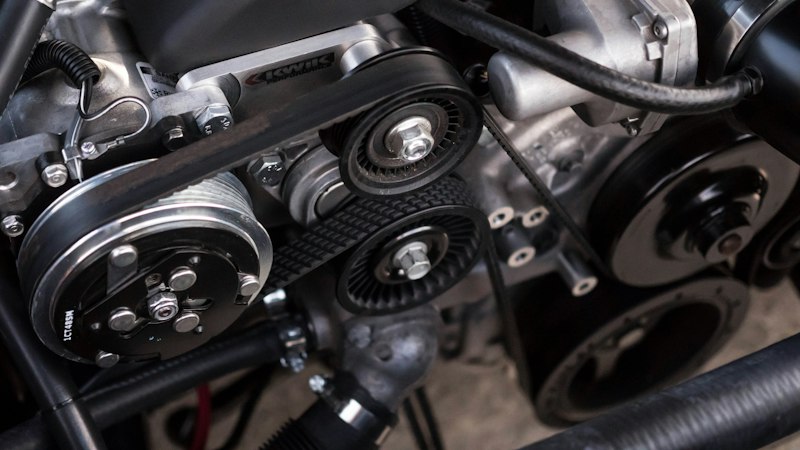
Each of these draws energy from combustion. The air conditioning system alone can reduce fuel economy by 8-15% during city driving. Rolling resistance from under-inflated tires adds another 3-5%. These factors compound.
The key insight is that these are controllable variables.
The Maintenance Factor
Clean air filters, properly inflated tires, aligned wheels, and fresh engine oil don't just prevent breakdowns. They directly impact how efficiently your engine converts fuel into motion.
Studies on fleet vehicles show that systematic maintenance optimization can improve fuel economy by 12-18% without any hardware modifications [3].
Ready to Transform Your Fuel Efficiency?
Our specialized optimization services help you implement proven techniques tailored to your specific vehicle and driving patterns.
Explore Our ServicesReal-World Results
"I was skeptical at first, but after following the optimization plan for my delivery van, I saw a 28% reduction in monthly fuel costs. Over a year, that's more than $4,000 saved."
— Marcus T., Delivery Fleet ManagerThese outcomes aren't anomalies. They reflect what happens when you optimize the controllable variables in fuel consumption.

The Environmental Impact
Reduced fuel consumption means reduced emissions. Each liter of fuel saved prevents approximately 2.3 kilograms of CO₂ from entering the atmosphere.
For someone driving 20,000 kilometers annually, a 25% improvement in fuel efficiency prevents roughly 800 kilograms of CO₂ emissions per year. That's equivalent to planting 36 trees.
"The fuel savings paid for the service in less than three months. Now it's pure profit, plus I feel better knowing I'm reducing my environmental footprint."
— Jennifer L., Daily CommuterOur Specialized Services
We've developed comprehensive fuel efficiency optimization programs based on extensive vehicle performance research and real-world testing.
Complete Fuel Optimization Package
Full vehicle assessment, maintenance optimization, driving behavior analysis, and personalized efficiency roadmap.
$347 AUD
Engine Performance Optimization

Targeted engine tuning, air filter replacement, fuel injection system cleaning, and combustion efficiency improvement.
$219 AUD
Driving Behavior Analysis

Two-week driving pattern analysis with personalized coaching on acceleration, braking, and route optimization techniques.
$167 AUD
Maintenance Schedule Optimization
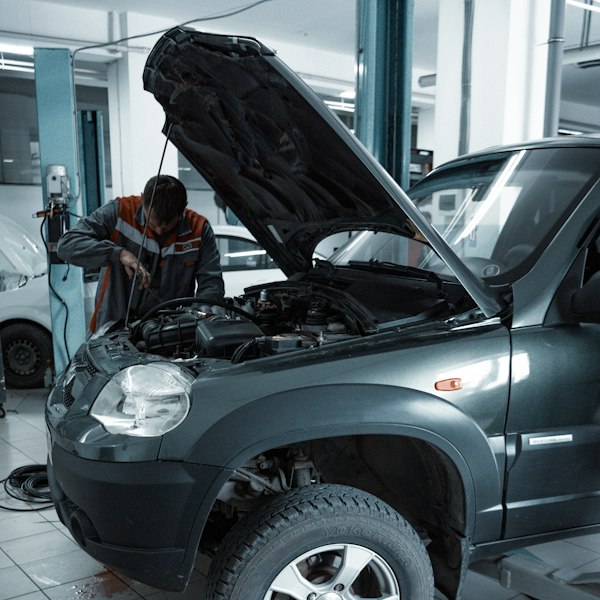
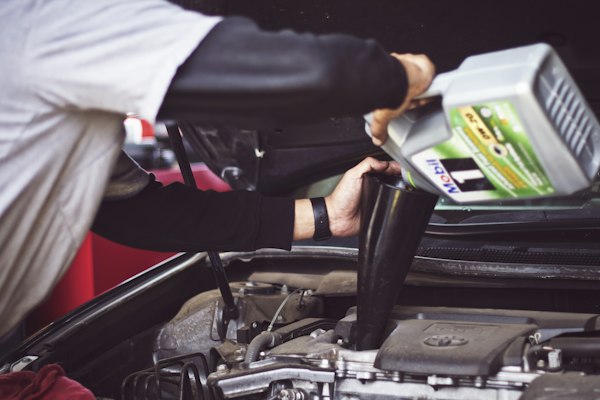
Customized maintenance calendar based on your vehicle's specific needs, including tire pressure management and fluid replacement timing.
$128 AUD
Fleet Efficiency Consulting

Comprehensive fleet-wide fuel optimization strategy for businesses operating multiple vehicles.
$892 AUD
Important Information
The services offered on this website are intended to support vehicle fuel efficiency and may help reduce fuel consumption. Results vary depending on vehicle condition, driving habits, and environmental factors. These services are not intended to diagnose mechanical failures or replace professional automotive repair. Individual outcomes may differ from estimated improvements. We recommend consulting with a qualified automotive technician before making decisions about vehicle maintenance or modification.